Imagine returning to your car after a peaceful paddle on the lake—only to find your kayak gone. No note, no witnesses, just empty straps where your $1,200 vessel used to be. I’ve been there. And let me tell you, it hurts more than sunburn and saltwater in your eyes combined. If you’re renting or using your own kayak near public docks like Shaw’s Wharf, Kayak Theft Protection isn’t optional—it’s essential. In this guide, we’ll walk through exactly how to safeguard your gear, avoid rookie errors, and ensure your next adventure ends with memories, not missing equipment.
Table of Contents
- Why Kayak Theft Is More Common Than You Think
- Step-by-Step Guide to Securing Your Kayak
- Best Practices for Kayak Theft Protection
- Real-World Cases and Lessons Learned
- Frequently Asked Questions
Key Takeaways
- Kayak thefts spike in high-traffic recreational zones—especially near unsecured public launch points.
- Standard renters’ insurance rarely covers watercraft left unattended; specialized coverage is often needed.
- Physical locks, GPS trackers, and clear ownership markings drastically reduce theft risk.
- Always verify if your rental agreement includes theft protection—or buy supplemental coverage.
Why Kayak Theft Is More Common Than You Think
Many paddlers assume kayaks are too bulky or niche to steal. Wrong. According to the National Crime Prevention Council, outdoor recreation equipment—including kayaks—is among the fastest-growing categories of stolen property in coastal and lakefront communities. Thieves target unattended boats at trailheads, beaches, and municipal docks because they’re easy to resell online or strip for parts.
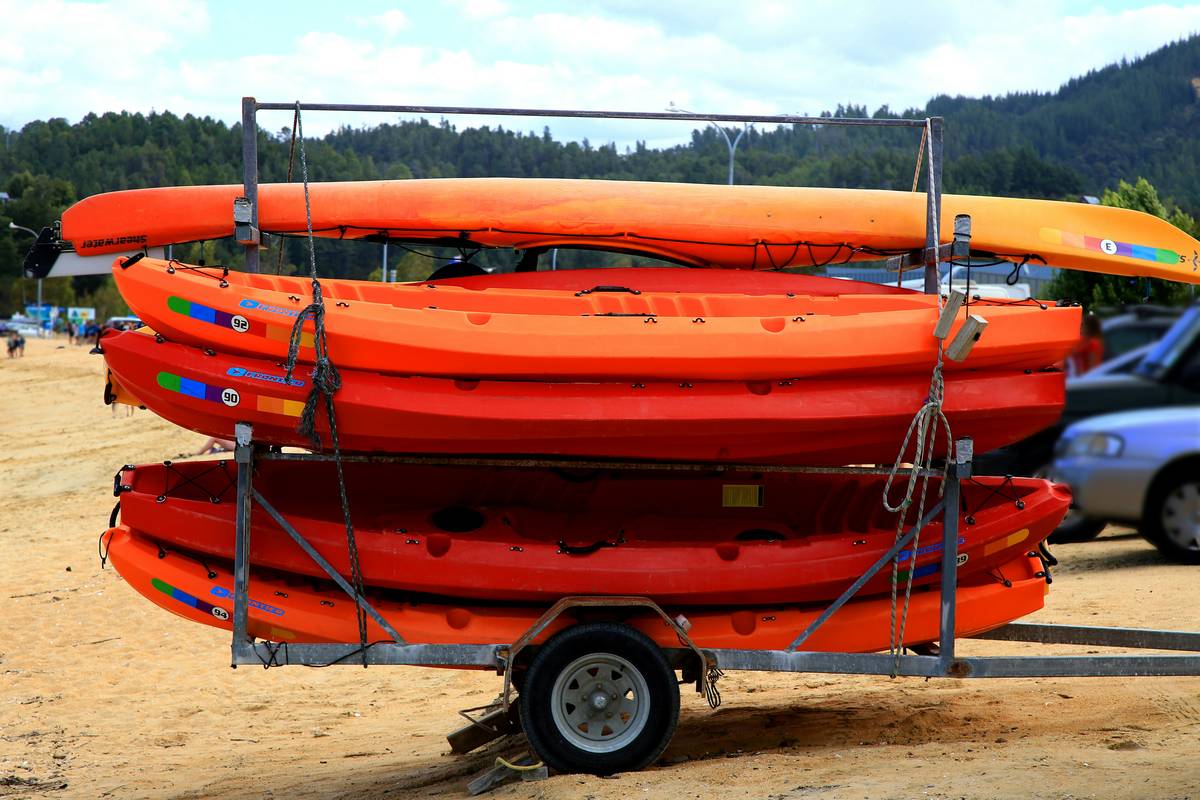
I learned this the hard way during a weekend trip to Lake Champlain. I left my kayak on the shore for “just five minutes” while grabbing coffee. When I returned, it was gone—along with my paddle, dry bag, and dignity. My homeowner’s policy denied the claim, citing “excluded watercraft.” That $1,300 loss taught me that hoping for the best isn’t a strategy.
Step-by-Step Guide to Securing Your Kayak
1. Assess Your Risk Environment
Are you launching from a busy marina, remote beach, or urban waterfront? High-traffic areas like those near Shaw’s Wharf attract both paddlers and opportunistic thieves. If others leave gear unattended, don’t assume it’s safe—lead by example.
2. Use a Marine-Grade Locking System
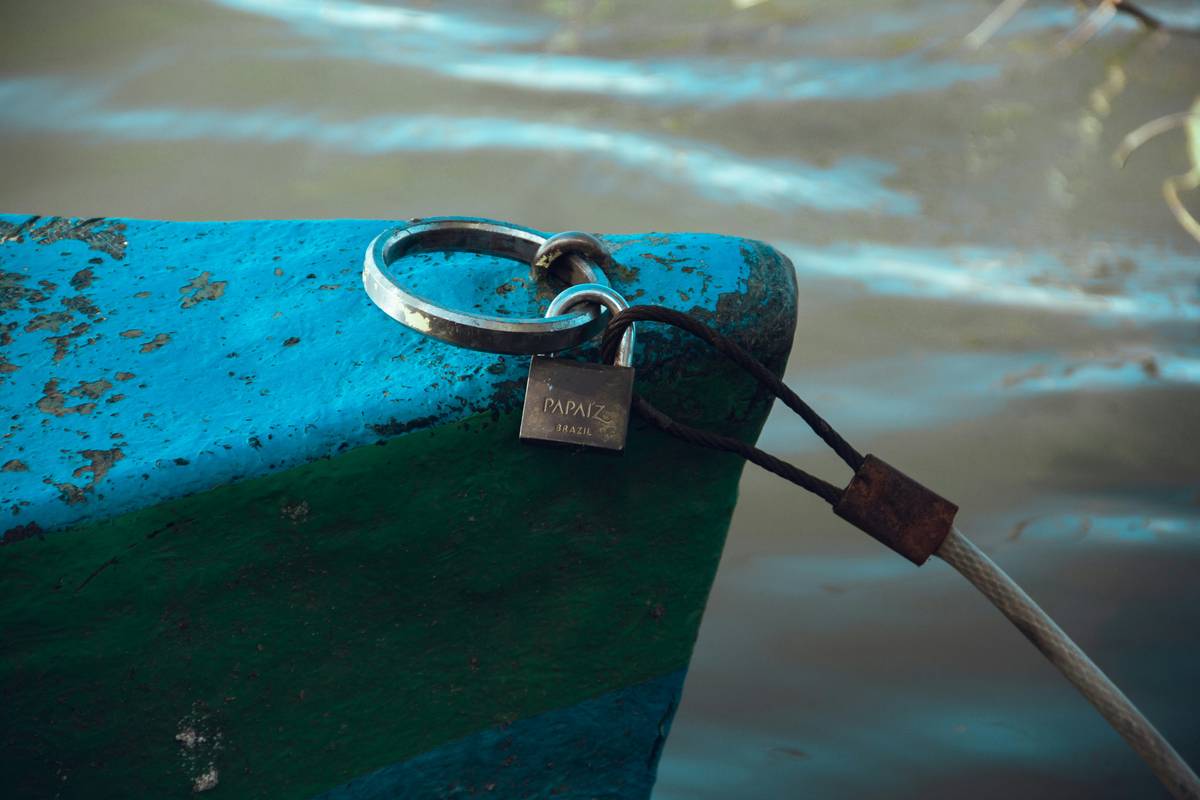
Not all locks work on composite or plastic hulls. Invest in a padded stainless steel cable (minimum 10mm thick) that threads through scupper holes or seat mounts. Brands like Kanu Lock or Paddle Safe Pro offer kayak-specific designs that won’t scratch your boat.
3. Mark Your Kayak Clearly
Engrave your name, phone number, and “NOT FOR SALE” in an inconspicuous spot. Add UV-resistant stickers with your contact info inside hatches. Thieves avoid marked gear—it’s harder to flip.
4. Consider GPS Tracking
Devices like the Apple AirTag or Tracki GPS can be hidden in bulkheads. One Reddit user recovered their stolen kayak within 48 hours thanks to a $30 tracker (source).
Best Practices for Kayak Theft Protection
- Never leave your kayak unattended—even for “just a minute.” If you must, lock it visibly.
- Verify rental insurance terms. Many companies exclude theft unless you pay extra. Ask: “Does this cover loss due to theft off-site?”
- Take photos before and after use. Document serial numbers and unique features for police reports and claims.
- Store vertically when possible. Wall-mounted racks deter casual grab-and-go attempts.
And here’s a terrible tip I almost followed: “Just hide it behind bushes.” Nope. Out of sight ≠ secure. It actually makes recovery harder if stolen.
Real-World Cases and Lessons Learned
In 2023, the Maine Marine Patrol reported a 22% year-over-year increase in kayak thefts along popular launch sites. One victim, a seasonal guide named Lena, lost three demo kayaks over two months because her business policy excluded “unattended equipment.” She later added a specialty inland marine rider—and hasn’t had an issue since.
Meanwhile, a study by the Outdoor Industry Association found that paddlers who used visible locks were 78% less likely to experience theft. Simple visibility acts as a psychological deterrent. Combine that with actual physical security, and your odds improve dramatically.
At Shaw’s Wharf, we’ve seen firsthand how proper protocols reduce incidents. That’s why our privacy policy includes strict data handling for customer gear registrations—and why we recommend third-party coverage for extended rentals.
Frequently Asked Questions
Does standard renters insurance cover kayak theft?
Usually not. Most policies exclude watercraft over a certain value or length. Check your declaration page or call your provider. Supplemental coverage or a personal articles floater may be needed.
Is kayak rental insurance worth it?
If the rental company doesn’t include comprehensive theft protection, yes. For under $10/day, you can often add coverage that pays full replacement value—far better than eating a $1,000+ loss.
What’s the best lock for a kayak?
A braided steel cable with a vinyl coating (to prevent hull scratches) and a disc-detainer lock core (resistant to picking). Ensure it’s long enough to secure your kayak to a fixed object.
Can I track my kayak if it’s stolen?
Yes—if you’ve installed a Bluetooth or cellular GPS tracker beforehand. AirTags work well in urban areas; satellite-based trackers like SPOT are better for remote zones.
What should I do if my kayak is stolen?
File a police report immediately, provide photos and serial numbers, notify your insurer, and post alerts on local paddling groups and marketplaces. Also, contact us if rented through Shaw’s Wharf—we may assist with recovery efforts.
Does Kayak Theft Protection cover accessories?
Some plans do, but only if listed explicitly. Always document paddles, anchors, and electronics separately in your coverage application.
So lock it, mark it, track it—and never assume “it won’t happen to me.” The water’s too beautiful to spend your day filing insurance claims instead of carving wakes. Ready to paddle smarter? Get in touch before your next launch.